Graphic design: Explore career paths, principles, and tools in this comprehensive guide. Learn about freelance, in-house, and director roles.
What is Graphic Design?
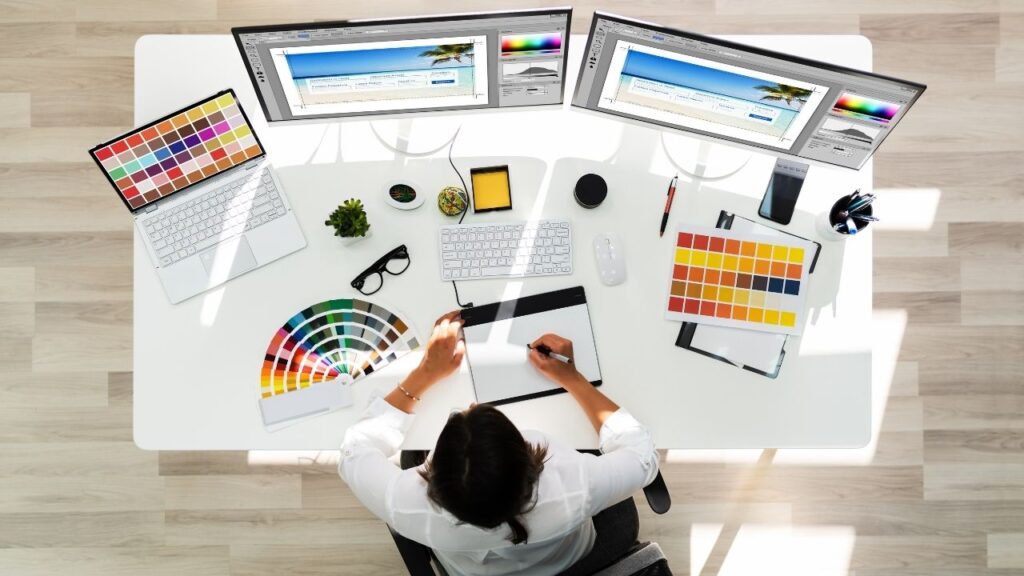
Graphic design is the art and practice of planning and projecting ideas and experiences with visual and textual content. In other words, it is the process of creating visual content to communicate messages effectively. This can include images, words, or graphics to convey information or create an impact.
Graphic design involves the use of typography, imagery, color, and layout to produce visually appealing and functional designs. Designers use these elements to create logos, advertisements, websites, packaging, and much more. The goal is to make the design not only attractive but also easy to understand and use.
Graphic design is everywhere, from the packaging of your favorite snack to the app you use on your phone. It plays a crucial role in shaping our visual environment and influencing our perceptions and decisions. Whether it’s for marketing, branding, or user experience, graphic design is a powerful tool for communication.
Importance of Graphic Design in Various Industries
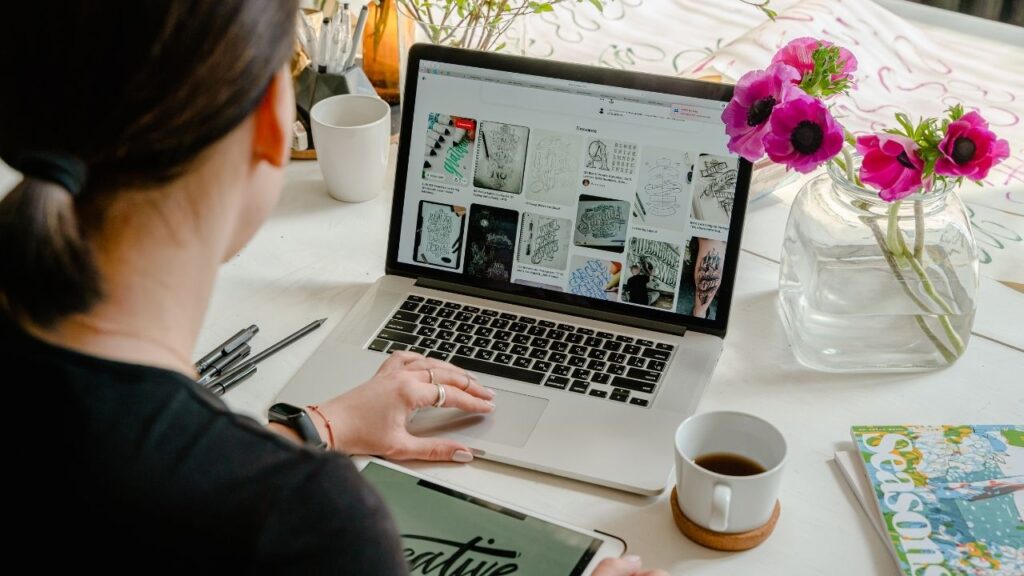
Graphic design is essential in various industries, playing a crucial role in how businesses communicate with their audience. In marketing, graphic design helps create compelling advertisements and promotional materials that capture attention and convey messages effectively. Good design can make the difference between a successful campaign and a forgotten one.
In the technology industry, graphic design is vital for creating user-friendly interfaces and engaging user experiences. Websites, apps, and software rely on clean, intuitive design to ensure users can navigate and use them easily. This enhances user satisfaction and drives higher engagement and retention rates.
The fashion industry also benefits significantly from graphic design. Designers create eye-catching logos, packaging, and promotional materials that reflect the brand’s identity and attract customers. High-quality design helps fashion brands stand out in a competitive market.
In the entertainment industry, graphic design is used to create visually appealing posters, album covers, and promotional content. This design work helps capture the essence of a movie, album, or event, drawing in audiences and creating memorable impressions.
In education, graphic design is used to develop engaging and informative materials, such as textbooks, e-learning courses, and presentations. Good design helps make complex information more accessible and enjoyable for learners of all ages.
Overall, graphic design is a versatile and essential tool that enhances communication, improves user experiences, and strengthens brand identities across various industries.
History of Graphic Design
The history of graphic design dates back to ancient times when early humans used symbols and drawings to communicate. Cave paintings and hieroglyphics are some of the earliest examples of visual communication. These primitive forms laid the foundation for modern graphic design.
In the 15th century, the invention of the printing press by Johannes Gutenberg revolutionized graphic design. It allowed for the mass production of books and other printed materials, making information more accessible. This era saw the rise of typography and layout design as crucial elements of printed works.
The 20th century brought significant advancements in graphic design with the advent of new technologies and artistic movements. The Bauhaus movement in the 1920s emphasized simplicity, functionality, and the use of geometric shapes. This had a profound influence on modern design principles.
The digital age transformed graphic design even further. The development of computers and design software in the late 20th and early 21st centuries allowed designers to experiment with new styles and techniques. Tools like Adobe Photoshop and Illustrator became essential for creating sophisticated digital designs.
Today, graphic design continues to evolve, integrating new technologies such as virtual reality and augmented reality. The history of graphic design shows a continuous journey of innovation and adaptation, reflecting changes in technology, culture, and communication needs.
Basic Principles of Graphic Design
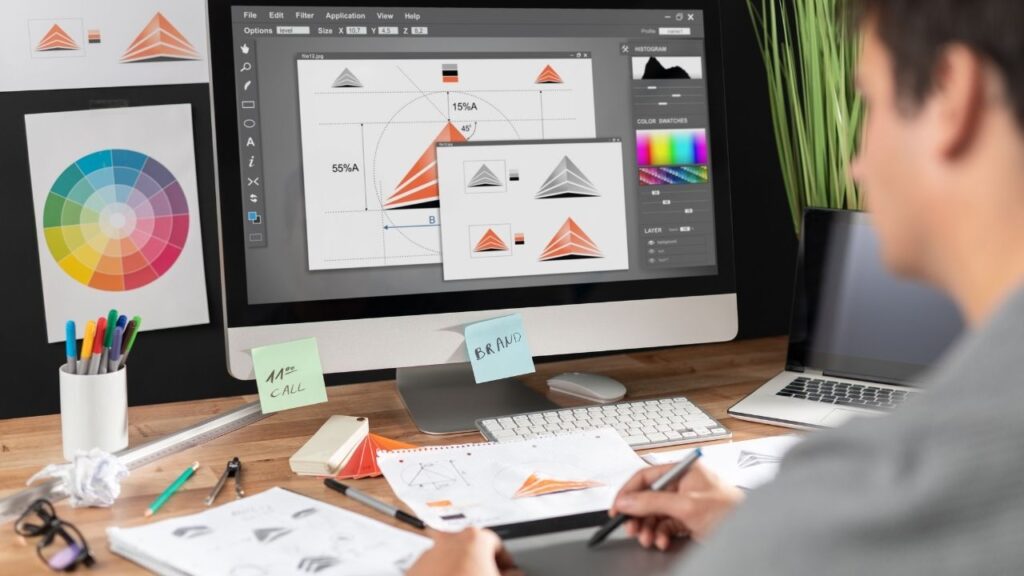
Graphic design relies on several fundamental principles to create visually appealing and effective compositions. Understanding and applying these principles helps designers communicate messages clearly and aesthetically.
Balance in graphic design refers to the distribution of visual elements in a composition. It can be symmetrical, asymmetrical, or radial, ensuring that the design feels stable and harmonious.
Contrast involves using opposing elements, such as colors, shapes, or sizes, to create visual interest and highlight important areas of the design. High contrast can make elements stand out and improve readability.
Emphasis is the principle of highlighting the most important elements of a design. It directs the viewer’s attention to the focal point, often achieved through contrast, color, size, or positioning.
Movement guides the viewer’s eye through the design in a deliberate way. It can be achieved by using lines, shapes, or patterns that lead the viewer from one element to another, creating a sense of flow.
Proportion refers to the size relationship between different elements in a design. Maintaining proper proportion ensures that elements look balanced and cohesive, enhancing the overall composition.
Rhythm in design is about creating a sense of organized movement. It’s achieved by repeating elements at regular intervals, which can create a visual tempo and harmony in the design.
Unity is the principle of ensuring that all elements of a design work together cohesively. It’s about creating a sense of completeness, where every part of the design feels like it belongs, often achieved through consistent style, color schemes, and typography.
Hierarchy refers to the arrangement of elements in order of importance. By varying the size, color, and placement of different elements, designers can guide the viewer’s eye to the most critical parts of the design first.
Alignment ensures that elements are visually connected with each other. Proper alignment creates order and organization in a design, making it look cleaner and more professional.
Also known as white space or negative space, space is the area around and between elements in a design. Using space effectively can help highlight important content, improve readability, and give the design a more balanced feel.
Repetition involves using the same or similar elements throughout a design to create consistency and unity. Repeating colors, shapes, or fonts can help reinforce a particular theme or message.
Patterns are repeated decorative designs used to add interest and texture to a composition. They can be used in backgrounds, borders, or specific design elements to enhance visual appeal.
Simplicity, or minimalism, involves removing unnecessary elements to focus on what’s essential. A simple design is often more effective because it communicates the message clearly without distractions.
Functionality ensures that a design is practical and useful for its intended purpose. This principle emphasizes that the design should not only look good but also work well and meet the needs of the audience.
Advanced and New Principles of Graphic Design
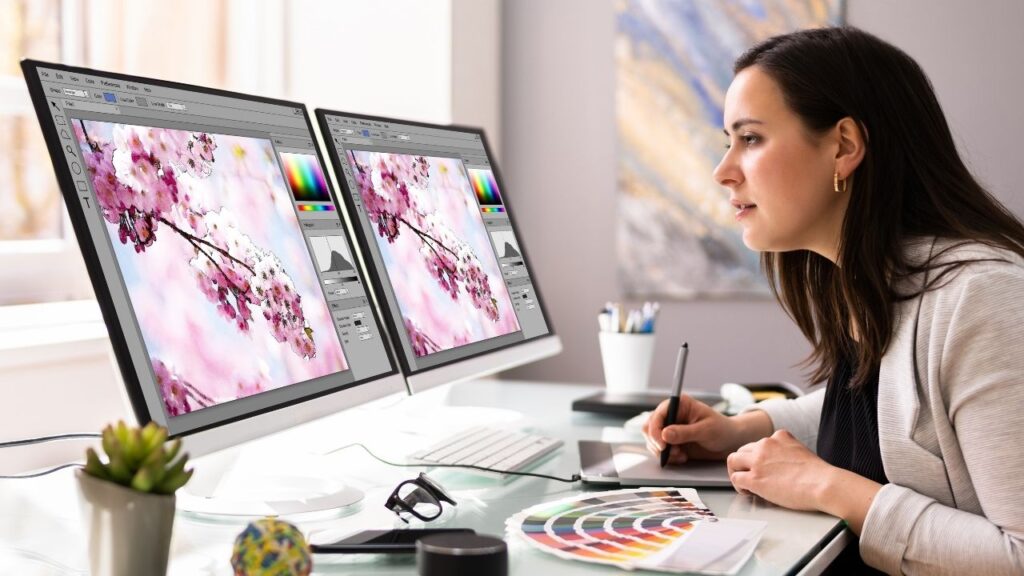
As graphic design evolves, new principles emerge to address contemporary challenges and opportunities. Here are some advanced and innovative principles that are shaping modern graphic design:
Interactivity involves creating designs that engage users through interactive elements. This principle is crucial in web and app design, where users can interact with buttons, forms, and other dynamic elements to create a more immersive experience.
Accessibility ensures that designs are usable by people of all abilities. This includes considerations for color contrast, text readability, and navigability to accommodate users with visual, auditory, or motor impairments.
Sustainability in graphic design focuses on creating environmentally friendly designs. This can involve using eco-friendly materials, reducing waste in the production process, and promoting messages of environmental awareness through design.
Scalability refers to the ability of a design to maintain its effectiveness across various sizes and formats. A scalable design looks good whether it’s viewed on a small mobile screen or a large billboard.
Cultural sensitivity involves understanding and respecting the cultural contexts of your audience. This principle ensures that designs are appropriate and respectful across different cultures, avoiding stereotypes and biases.
User-centered design focuses on the needs, preferences, and behaviors of the end user. This principle involves thorough user research and testing to ensure the design is intuitive, enjoyable, and effective for its intended audience.
Storytelling in design uses visual elements to convey a narrative or message. This principle leverages the power of imagery, typography, and layout to tell a story that resonates with the audience and evokes emotion.
Fluidity refers to creating designs that adapt seamlessly to different contexts and devices. This principle is crucial in responsive web design, where layouts need to adjust dynamically to various screen sizes and orientations.
Innovation involves pushing the boundaries of traditional design through creativity and experimentation. This principle encourages designers to explore new techniques, technologies, and concepts to create unique and cutting-edge designs.
Emotional design focuses on creating connections with users by evoking specific emotions. By understanding the emotional impact of colors, shapes, and imagery, designers can create experiences that resonate on a deeper level.
Elements of Graphic Design
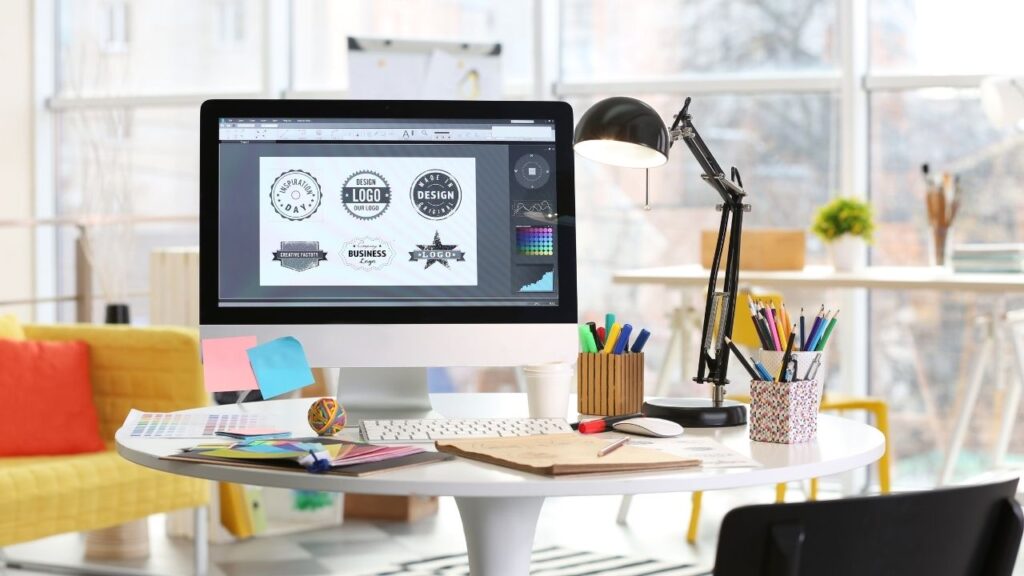
The elements of graphic design are the fundamental components used to create a visual composition. Understanding and effectively utilizing these elements are crucial for crafting compelling and effective designs.
Line
- Lines are basic elements that can define shapes, create textures, and guide the viewer's eye.
- They can be straight, curved, thick, thin, dashed, or dotted, each evoking different emotions and reactions.
- Lines are used to separate, organize, emphasize, or direct attention in a design.
Shape
- Shapes are defined areas created by lines or a change in color, texture, or value.
- Basic geometric shapes include circles, squares, and triangles, while organic shapes are more complex and irregular.
- Shapes can represent objects, create patterns, or build illustrations.
Color
- Color is a powerful element that can convey emotions, attract attention, and establish brand identity.
- It consists of hue, saturation, and value, each contributing to the overall impact of the design.
- The use of color theory, including complementary, analogous, and triadic color schemes, enhances the visual harmony and appeal.
Texture
- Texture refers to the surface quality of an element, either real (tactile) or implied (visual).
- It adds depth and interest to a design by making elements appear more realistic or engaging.
- Textures can be created through patterns, images, or illustrations to enhance the visual experience.
Space
- Space, also known as white space or negative space, is the area around and between elements in a design.
- Effective use of space can improve readability, focus attention, and create a balanced composition.
- It helps to avoid clutter and gives the design a clean and organized look.
Typography
- Typography involves the art and technique of arranging type to make written language legible, readable, and visually appealing.
- It includes the selection of typefaces, point sizes, line lengths, line-spacing, and letter-spacing.
- Good typography enhances the overall design by conveying the right tone, style, and readability.
Value
- Value refers to the lightness or darkness of a color or tone.
- It adds depth, dimension, and contrast to a design.
- Value is used to create highlights, shadows, and gradients, enhancing the realism and visual impact of the design.
Balance
- Balance refers to the distribution of visual weight in a design.
- It can be symmetrical, asymmetrical, or radial, ensuring that the design feels stable and harmonious.
- Balance helps to create a sense of equilibrium and prevents the design from feeling too heavy or too light.
Scale
- Scale refers to the relative size of elements in a design.
- It helps to create hierarchy, emphasis, and visual interest.
- By varying the scale of elements, designers can guide the viewer's attention and create a dynamic composition.
Form
- Form refers to the three-dimensional shape and structure of objects.
- It adds realism and depth to a design, making objects appear solid and tangible.
- Form is created through the use of shading, perspective, and light to mimic how objects appear in the real world.
Pattern
- Patterns are repeated decorative designs used to add interest and texture to a composition.
- They can be used in backgrounds, borders, or specific design elements to enhance visual appeal.
- Patterns can be simple or complex, geometric or organic, and can create rhythm and unity within a design.
Symbolism
- Symbolism involves using visual symbols or icons to represent ideas, concepts, or objects.
- Symbols can be universal or culturally specific, conveying meaning quickly and effectively.
- Designers use symbolism to communicate complex ideas or emotions visually, making the design more memorable and impactful.
Alignment
- Alignment ensures that elements are visually connected with each other.
- Proper alignment creates order and organization in a design, making it look cleaner and more professional.
- It helps to create a sense of unity and coherence, guiding the viewer's eye through the design in a logical and structured way.
Hierarchy
- Hierarchy refers to the arrangement of elements in order of importance.
- By varying the size, color, and placement of different elements, designers can guide the viewer's eye to the most critical parts of the design first.
- Hierarchy helps to create a clear and organized structure, making the design easier to navigate and understand.
Tools and Software for Graphic Design
- Adobe Photoshop
- Adobe Illustrator
- Adobe InDesign
- CorelDRAW
- Affinity Designer
- Sketch
- GIMP
- Canva
- Procreate
- Adobe XD
- Figma
- Inkscape
- Affinity Photo
- Affinity Publisher
- Autodesk SketchBook
- Blender
- Pixlr
- Adobe After Effects
- Adobe Premiere Pro
- PaintTool SAI
- Clip Studio Paint
- Krita
- Vectr
- Gravit Designer
- Xara Designer Pro
- Paint.NET
- Serif DrawPlus
- Adobe Spark
- PicMonkey
- Lucidpress
- QuarkXPress
- Scribus
- PaintShop Pro
- Serif Affinity Suite
- Adobe Dreamweaver
- Adobe Bridge
- Adobe Lightroom
- Crello
- Design Wizard
- Photopea
Design Process and Workflow
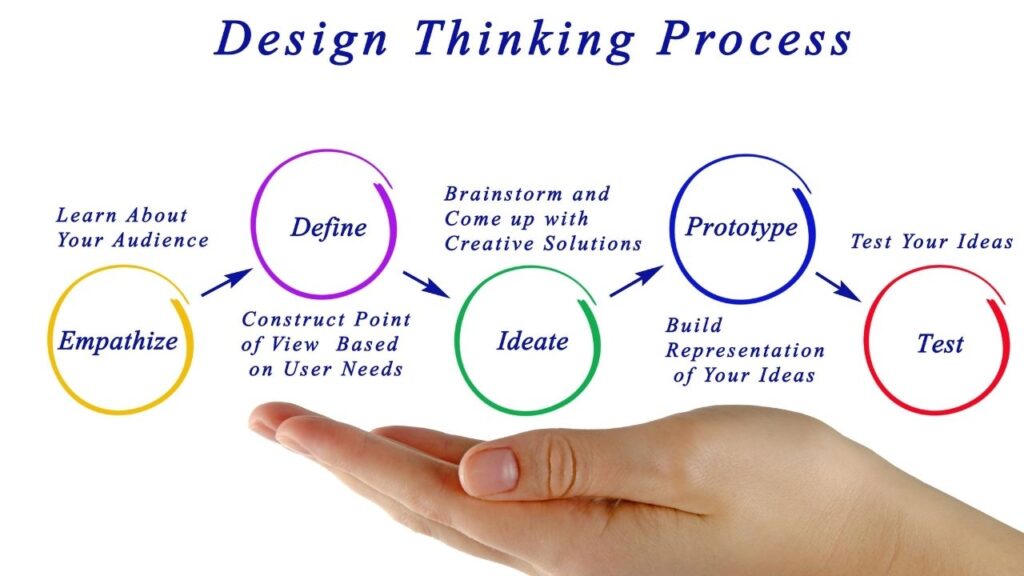
The design process and workflow are essential for creating effective and impactful graphic designs. This structured approach ensures that designers understand client requirements, conduct thorough research, and develop concepts that meet both aesthetic and functional criteria.
Understanding the Client's Needs
Understanding the client’s needs is the first step in the design process. It involves gathering information about the client’s brand, target audience, objectives, and preferences. This initial stage sets the foundation for the entire design project, ensuring that the design aligns with the client’s goals and expectations.
Research and Brainstorming
Research and brainstorming are critical to generating ideas and concepts. Designers research industry trends, competitors, and best practices relevant to the project. Brainstorming sessions allow for creative exploration and the development of multiple design concepts that address the client’s requirements and challenges.
Sketching and Concept Development
Sketching and concept development translate ideas into visual representations. Designers sketch rough drafts and refine them into more detailed concepts. This stage explores various layouts, color schemes, typography, and imagery to convey the intended message and achieve the desired look and feel.
Creating Digital Drafts
Creating digital drafts involves using design software to translate sketches and concepts into digital form. Designers create mockups and prototypes that simulate how the final design will appear across different mediums such as print or digital platforms. Digital drafts allow for experimentation and refinement before presenting to the client.
Feedback and Revisions
Feedback and revisions are crucial for refining the design based on client input and feedback. Designers present the initial concepts to the client for review and gather feedback on elements such as color, layout, and content. Revisions ensure that the design meets the client’s expectations and aligns with the project objectives.
Finalizing the Design
Finalizing the design involves incorporating client feedback, making necessary revisions, and preparing the design for delivery. Designers ensure that the design meets technical specifications, such as file formats and resolutions. The final design is reviewed and approved by the client before being delivered or published.
Different Types of Graphic Design
Graphic design encompasses a variety of specialized fields, each with its own focus and objectives. Understanding these different types of graphic design helps designers specialize and create effective visual communications across various industries.
Visual Identity Design
Visual identity design focuses on creating a consistent visual representation of a brand. It includes designing logos, typography, color palettes, and brand guidelines that reflect the brand’s personality and values. Visual identity designers ensure that all brand elements work together to create a cohesive and recognizable brand image.
Marketing and Advertising Design
Marketing and advertising design involves creating visual materials to promote products, services, or events. Designers in this field develop advertisements, posters, banners, brochures, and other marketing collateral. The goal is to attract attention, communicate messages effectively, and persuade the audience to take action.
User Interface Design
User Interface (UI) design focuses on creating intuitive and user-friendly interfaces for websites, mobile apps, and software. UI designers optimize the layout, navigation, and interactive elements to enhance user experience (UX). They ensure that the interface is visually appealing, functional, and easy to navigate for the target audience.
Publication Design
Publication design involves designing layouts and graphics for printed materials such as magazines, newspapers, books, and newsletters. Publication designers arrange text, images, and other elements to create visually appealing and readable publications. They consider typography, grid systems, and visual hierarchy to guide the reader through the content.
Packaging Design
Packaging design involves creating attractive and functional packaging for products. Packaging designers consider branding, product protection, usability, and sustainability when designing packages. They create designs that stand out on shelves, convey product information, and engage consumers visually.
Motion Graphic Design
Motion graphic design combines animation, visual effects, and audio to create dynamic and engaging visuals. Motion graphic designers work on projects such as title sequences, animated logos, explainer videos, and multimedia presentations. They use animation techniques to convey information, evoke emotions, and enhance storytelling.
Environmental Design
Environmental design focuses on creating visual elements for physical spaces and environments. Designers in this field work on signage, wayfinding systems, retail displays, exhibitions, and interior graphics. They consider spatial layout, aesthetics, and user experience to create functional and visually appealing environments.
Advantages of Graphic Design
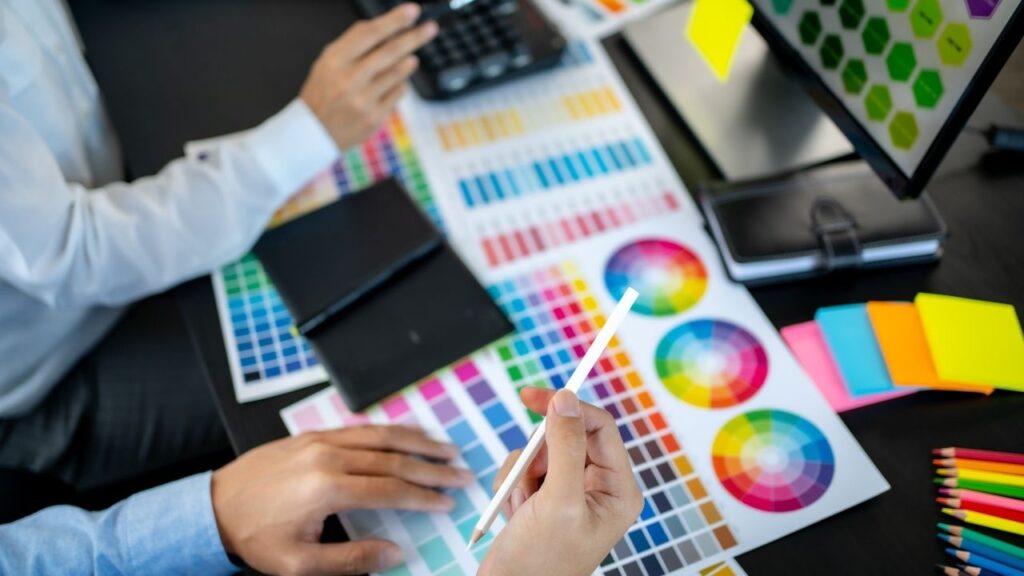
- Enhances brand recognition and identity.
- Communicates complex information visually.
- Increases audience engagement and retention.
- Improves user experience (UX) and usability.
- Builds trust and credibility with polished visuals.
- Creates memorable and impactful advertising.
- Enhances product packaging and appeal.
- Helps differentiate from competitors.
- Simplifies data and information through infographics.
- Supports storytelling and narrative through visuals.
- Improves readability and comprehension.
- Strengthens digital and print marketing efforts.
- Optimizes user interface (UI) for better navigation.
- Streamlines content organization and hierarchy.
- Facilitates effective communication of ideas.
- Boosts sales and conversion rates.
- Inspires creativity and innovation.
- Supports environmental and wayfinding design.
- Integrates with multimedia for dynamic content.
- Enhances social media and digital presence.
Disadvantages of Graphic Design

- Time-consuming process, especially for intricate designs.
- High costs associated with professional software and equipment.
- Potential for miscommunication between designer and client.
- Subjectivity in design preferences can lead to disagreements.
- Limited job opportunities in competitive markets.
- Creative burnout due to demanding deadlines and client expectations.
- Overemphasis on aesthetics may overshadow functionality.
- Difficulty in maintaining consistency across different platforms.
- High-pressure environment with frequent revisions.
- Dependency on technology, susceptible to software glitches and crashes.
Career Opportunities in Graphic Design
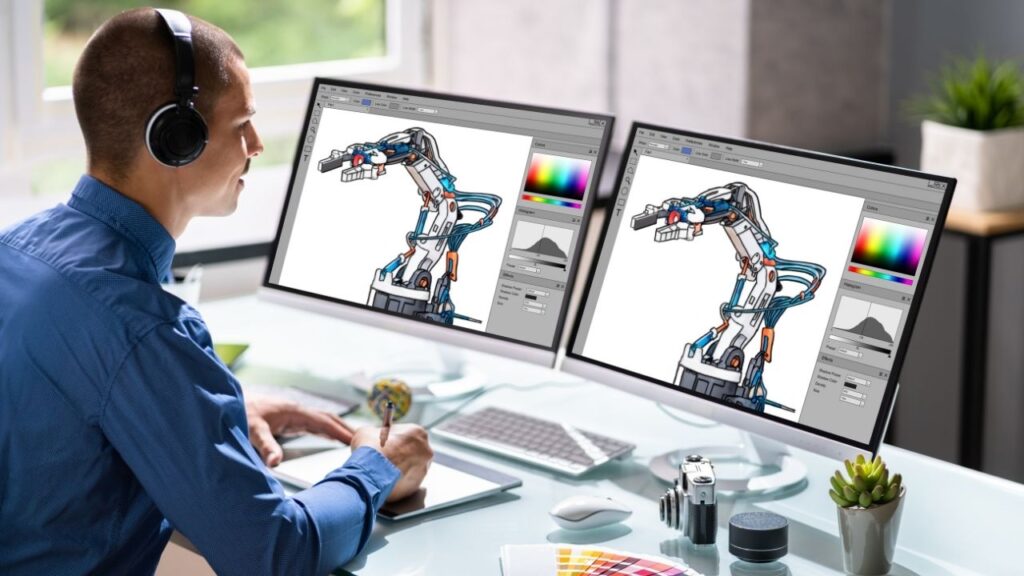
Graphic design offers a variety of career paths, each catering to different skills, interests, and levels of experience. Here are some common career opportunities in graphic design:
Freelance Graphic Designer
Freelance graphic designers work independently, often on a project-by-project basis. They have the flexibility to choose their clients and projects, allowing for a diverse portfolio and varied work experience. Freelancers may work from home or a dedicated studio, managing their own schedules and client relationships.
In-House Designer
In-house designers are employed full-time by a specific company or organization. They work within a team, collaborating with marketing, branding, and product development departments. In-house designers focus on maintaining brand consistency and meeting the design needs of their employer, whether it’s for digital or print materials.
Art Director
Art directors oversee the visual style and imagery used in print and digital media. They manage a team of designers and artists, ensuring that their work meets the client’s or employer’s vision and objectives. Art directors often work in advertising agencies, publishing houses, or media companies, guiding the creative direction of projects.
Creative Director
Creative directors are responsible for the overall creative vision of a project or campaign. They lead and inspire teams of designers, copywriters, and marketers, ensuring that the creative work meets the client’s expectations and business goals. Creative directors often work in advertising agencies, design firms, or large corporations.
UX/UI Designer
UX/UI designers specialize in creating user-friendly interfaces for websites, mobile apps, and software. They focus on enhancing user experience (UX) and user interface (UI) design, ensuring that the digital product is intuitive, easy to navigate, and visually appealing. UX/UI designers work closely with developers and product managers to create seamless user experiences.
Conclusion
In conclusion, graphic design is a dynamic and multifaceted field that offers a wide range of career opportunities. Whether you choose to work as a freelancer, in-house designer, art director, or UX/UI designer, graphic design allows you to apply your creativity and skills in various ways.
Understanding the principles and tools of graphic design is essential for creating effective visual communication. From typography and color theory to layout and composition, these principles guide designers in crafting compelling designs that resonate with audiences.
Freelance graphic designers enjoy the flexibility of choosing their clients and projects, working from home or a dedicated studio. This independence allows for a diverse portfolio and the opportunity to explore different industries and design styles.
In-house designers, on the other hand, work full-time for a specific company or organization. They collaborate closely with marketing, branding, and product development teams to maintain brand consistency and meet the design needs of their employer.
Art directors and creative directors play a crucial role in guiding the creative direction of projects. They oversee teams of designers and artists, ensuring that the work meets the client’s or employer’s vision and business objectives.
UX/UI designers specialize in creating intuitive and user-friendly interfaces for digital products such as websites, mobile apps, and software. They focus on enhancing the user experience (UX) and user interface (UI) design, collaborating closely with developers and product managers.
Overall, graphic design offers a rewarding career path for those passionate about visual communication and creativity. By embracing the principles, tools, and career opportunities in graphic design, you can make a meaningful impact through compelling designs that resonate with audiences and achieve business success.
FAQs About Graphic Design
Graphic design is the art and practice of planning and projecting ideas and experiences with visual and textual content. It involves creating visual concepts using typography, images, colors, and layout techniques to communicate messages effectively.
The key principles of graphic design include balance, contrast, emphasis, movement, proportion, rhythm, and unity. These principles guide designers in creating visually appealing and effective designs.
Different types of graphic design include visual identity design, marketing and advertising design, user interface (UI) design, publication design, packaging design, motion graphic design, and environmental design.
To become a graphic designer, you need skills in design software (e.g., Adobe Creative Suite), typography, color theory, layout design, creativity, problem-solving, and communication.
You can become a graphic designer by earning a degree in graphic design or a related field, building a strong portfolio, gaining experience through internships or freelance work, and continuously learning and improving your skills.
Career opportunities in graphic design include freelance graphic designer, in-house designer, art director, creative director, UX/UI designer, and more specialized roles in various industries.
Graphic designers use software such as Adobe Photoshop, Illustrator, InDesign, and XD, as well as other tools like Sketch, Figma, and Canva, depending on their specific design needs and preferences.
Graphic design focuses on creating visual concepts and aesthetics, while UX/UI design focuses on enhancing the user experience and interface design of digital products such as websites and apps.
Graphic design is crucial for businesses as it helps establish brand identity, communicate messages effectively, attract and engage customers, and differentiate from competitors through visually appealing and professional designs.
Graphic design can benefit your career or business by enhancing brand recognition, improving user experience, increasing audience engagement, boosting sales and conversions, and creating a professional and polished image.


Loved the layout today; clean, simple, and genuinely user-friendly overall.
Found practical insights today; sharing this article with colleagues later.
Overall, professional vibe here; trustworthy, polished, and pleasantly minimal throughout.
Appreciate the typography choices; comfortable spacing improved my reading experience.
Pages loaded fast, images appeared sharp, and formatting stayed consistent.
Hello, this weekend is fastidious designed for me, for the reason that this occasion i am reading this fantastic educational piece of writing here at my house.
Excellent pieces. Keep writing such kind of info on your site. Im really impressed by your blog.
Hi there, You’ve done a fantastic job. I’ll definitely digg it and individually recommend to my friends. I’m confident they will be benefited from this site.
Content reads clearly, helpful examples made concepts easy to grasp.
I’m not sure why but this blog is loading very slow for me. Is anyone else having this issue or is it a issue on my end? I’ll check back later and see if the problem still exists.
Appreciate the typography choices; comfortable spacing improved my reading experience.
Bookmarked this immediately, planning to revisit for updates and inspiration.
Loved the layout today; clean, simple, and genuinely user-friendly overall.
Content reads clearly, helpful examples made concepts easy to grasp.
Currently it seems like Expression Engine is the top blogging platform available right now. (from what I’ve read) Is that what you’re using on your blog?
Thank you, I have recently been searching for info about this topic for ages and yours is the best I have found out so far. However, what in regards to the bottom line? Are you certain concerning the source?
What’s up friends, its impressive paragraph concerning educationand entirely defined, keep it up all the time.
Helpful information. Lucky me I found your web site by chance, and I am stunned why this accident didn’t came about in advance! I bookmarked it.
Hi there I am so grateful I found your blog page, I really found you by mistake, while I was researching on Digg for something else, Nonetheless I am here now and would just like to say kudos for a incredible post and a all round exciting blog (I also love the theme/design), I don’t have time to go through it all at the moment but I have bookmarked it and also added your RSS feeds, so when I have time I will be back to read much more, Please do keep up the fantastic job.
What’s up, this weekend is pleasant in support of me, for the reason that this occasion i am reading this wonderful informative post here at my house.
Content reads clearly, helpful examples made concepts easy to grasp.
Got a breakdown.
Pages loaded fast, images appeared sharp, and formatting stayed consistent.
Pages loaded fast, images appeared sharp, and formatting stayed consistent.
Found practical insights today; sharing this article with colleagues later.
Navigation felt smooth, found everything quickly without any confusing steps.
Color palette felt calming, nothing distracting, just focused, thoughtful design.
Loved the layout today; clean, simple, and genuinely user-friendly overall.
Appreciate the typography choices; comfortable spacing improved my reading experience.
Navigation felt smooth, found everything quickly without any confusing steps.
Amazing! Its in fact remarkable paragraph, I have got much clear idea regarding from this paragraph.
Found practical insights today; sharing this article with colleagues later.
The best for digital art. It harnesses the power of neural networks to create, edit, and stylize images, offering new dimensions in visual creativity.
Color palette felt calming, nothing distracting, just focused, thoughtful design.
Appreciate the typography choices; comfortable spacing improved my reading experience.
Loved the layout today; clean, simple, and genuinely user-friendly overall.
Overall, professional vibe here; trustworthy, polished, and pleasantly minimal throughout.
Hello! This post could not be written any better! Reading through this post reminds me of my good old room mate! He always kept talking about this. I will forward this page to him. Pretty sure he will have a good read. Thank you for sharing!
Hi there every one, here every person is sharing these familiarity, so it’s good to read this weblog, and I used to pay a visit this website daily.
Mobile version looks perfect; no glitches, fast scrolling, crisp text.
Pages loaded fast, images appeared sharp, and formatting stayed consistent.
Overall, professional vibe here; trustworthy, polished, and pleasantly minimal throughout.
Appreciate the typography choices; comfortable spacing improved my reading experience.
Pages loaded fast, images appeared sharp, and formatting stayed consistent.
Appreciate the typography choices; comfortable spacing improved my reading experience.
Found practical insights today; sharing this article with colleagues later.
Loved the layout today; clean, simple, and genuinely user-friendly overall.
Bookmarked this immediately, planning to revisit for updates and inspiration.
Found practical insights today; sharing this article with colleagues later.
Color palette felt calming, nothing distracting, just focused, thoughtful design.
Pages loaded fast, images appeared sharp, and formatting stayed consistent.
Appreciate the typography choices; comfortable spacing improved my reading experience.
The is best website i have ever found for digital products.
Overall, professional vibe here; trustworthy, polished, and pleasantly minimal throughout.
Pages loaded fast, images appeared sharp, and formatting stayed consistent.
Mobile version looks perfect; no glitches, fast scrolling, crisp text.
Appreciate the typography choices; comfortable spacing improved my reading experience.
Mobile version looks perfect; no glitches, fast scrolling, crisp text.
Mobile version looks perfect; no glitches, fast scrolling, crisp text.
Bookmarked this immediately, planning to revisit for updates and inspiration.
Appreciate the typography choices; comfortable spacing improved my reading experience.
Hello colleagues, its enormous article about teachingand fully explained, keep it up all the time.
Why users still use to read news papers when in this technological globe everything is presented on net?
Appreciating the time and energy you put into your site and detailed information you present. It’s good to come across a blog every once in a while that isn’t the same unwanted rehashed material. Fantastic read! I’ve saved your site and I’m including your RSS feeds to my Google account.
Navigation felt smooth, found everything quickly without any confusing steps.
Appreciate the typography choices; comfortable spacing improved my reading experience.
Overall, professional vibe here; trustworthy, polished, and pleasantly minimal throughout.
Overall, professional vibe here; trustworthy, polished, and pleasantly minimal throughout.
Bookmarked this immediately, planning to revisit for updates and inspiration.
Navigation felt smooth, found everything quickly without any confusing steps.
Pages loaded fast, images appeared sharp, and formatting stayed consistent.
Content reads clearly, helpful examples made concepts easy to grasp.
Overall, professional vibe here; trustworthy, polished, and pleasantly minimal throughout.
Appreciate the typography choices; comfortable spacing improved my reading experience.
Overall, professional vibe here; trustworthy, polished, and pleasantly minimal throughout.
Overall, professional vibe here; trustworthy, polished, and pleasantly minimal throughout.
Mobile version looks perfect; no glitches, fast scrolling, crisp text.
Appreciate the typography choices; comfortable spacing improved my reading experience.
Bookmarked this immediately, planning to revisit for updates and inspiration.
Mobile version looks perfect; no glitches, fast scrolling, crisp text.
Loved the layout today; clean, simple, and genuinely user-friendly overall.
Loved the layout today; clean, simple, and genuinely user-friendly overall.
Pages loaded fast, images appeared sharp, and formatting stayed consistent.
Loved the layout today; clean, simple, and genuinely user-friendly overall.
Content reads clearly, helpful examples made concepts easy to grasp.
Pages loaded fast, images appeared sharp, and formatting stayed consistent.
Bookmarked this immediately, planning to revisit for updates and inspiration.
Color palette felt calming, nothing distracting, just focused, thoughtful design.
Content reads clearly, helpful examples made concepts easy to grasp.
Bookmarked this immediately, planning to revisit for updates and inspiration.
Smooth browsing experience with items that are easy to explore and clearly presented.
Encouraging content, layout is simple, navigation feels intuitive.
Smooth navigation, positive energy, and inspires mindful browsing.
Great ideas showcased, site loads fast and is easy to navigate.
Lots of trendy items, smooth browsing, and overall fun to explore.
Navigation feels smooth, checkout process is simple and fast.
Unique gift selection, easy navigation makes shopping smooth.
Products are varied and descriptions are helpful, navigating the site is easy.
Quick to understand, explanations are concise and effective.
Encouraging atmosphere, approachable layout, and smooth browsing.
Professional appearance, responsive design, and content is straightforward.
A smooth experience that feels safe and easy to navigate.
Concise guides help visitors grasp key points quickly.
Well-presented ideas that inspire readers to take meaningful, clear steps.
The store is easy to explore, with a simple and clear checkout system.
Well-arranged products and clear navigation make browsing stress-free.
Products look authentic, navigation intuitive and shopping is enjoyable.
Really like the aesthetic, navigation simple and products look authentic.
Well structured content, navigating pages feels smooth and intuitive.
Layout looks professional, pages respond quickly, and content is easy to scan.
I enjoy, cause I found just what I was taking a look for. You have ended my four day long hunt! God Bless you man. Have a nice day. Bye
Highlights that deliberate actions are more powerful than prolonged planning.
Shows that structured planning supports continuous forward motion.
Demonstrates how taking steps forward naturally makes room for opportunities.
Presents innovative ideas with clarity and simplicity.
Hi everybody, here every one is sharing these knowledge, so it’s good to read this blog, and I used to visit this webpage daily.
Appreciate the typography choices; comfortable spacing improved my reading experience.
Mobile version looks perfect; no glitches, fast scrolling, crisp text.
Loved the layout today; clean, simple, and genuinely user-friendly overall.
I don’t even know how I ended up here, but I thought this post was great.
I don’t know who you are but certainly you are going to a famous blogger if you aren’t already 😉 Cheers!